How Fast Should Your Winnings Hit Your Account? A No-BS Guide to Sportsbook Withdrawal Speed
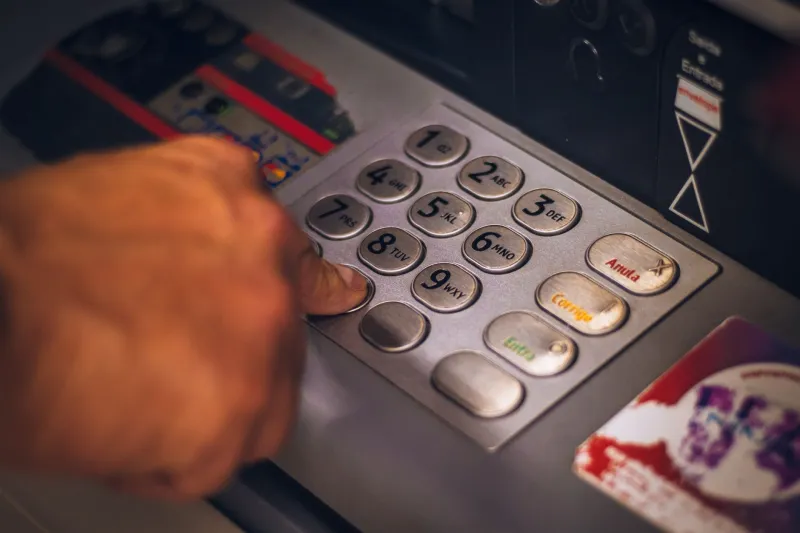
You hit a big parlay on a Thursday night NFL game. The funds show up in your sportsbook balance, and you're ready to cash out. Then you wait. And wait. And wait some more.
For a lot of US bettors, that wait is just... normal. They've never known anything different. But here's the thing — it doesn't have to be that way. Withdrawal speed is one of the clearest signals a sportsbook sends about how it operates, how financially healthy it is, and whether it actually respects its players. Once you understand what's happening behind the scenes, you'll never look at a payout timeline the same way again.
Why Withdrawal Speed Varies So Wildly Between Books
The range is genuinely enormous. Some crypto-enabled international sportsbooks process withdrawals in under an hour. Others — especially legacy platforms operating through traditional banking channels — take anywhere from three to ten business days. A few notorious outliers have kept players waiting weeks.
So what's actually causing the gap?
A lot of it comes down to infrastructure. Platforms built on newer payment rails — particularly those that support crypto or e-wallets like Skrill or Neteller — have fewer intermediaries between your account and your bank. Traditional wire transfers and ACH payments have to pass through multiple compliance checkpoints, correspondent banks, and processing queues that can add days to the timeline.
But there's another factor that most bettors don't think about: liquidity. A sportsbook that's flush with cash and running a clean book can process withdrawals fast because the money is just sitting there. A book that's overleveraged, struggling with reserves, or poorly managed will drag its feet. Slow payouts are sometimes the first visible crack in a platform's financial foundation.
The Hidden Fees That Eat Into Your Withdrawal
Speed isn't the only issue. Fees are often buried in the terms and conditions, and they can quietly chip away at what you're actually taking home.
Common fee structures to watch for:
- Per-withdrawal flat fees: Some books charge $10–$30 per transaction regardless of amount. Cash out $150 and that fee stings.
- Currency conversion fees: If you're betting on an international platform that holds balances in a foreign currency, the conversion rate they offer you is rarely the actual market rate. The spread is their cut.
- Inactivity or processing fees: A few platforms will deduct a monthly fee from dormant accounts, effectively penalizing you for not betting constantly.
- Method-specific fees: Wire transfers almost always carry fees. E-wallets sometimes do too, depending on the platform's agreement with the payment processor.
Before you ever deposit real money, find the withdrawal fee schedule. If it's not clearly published, that's a red flag all on its own.
What Fast Withdrawals Actually Tell You
Here's a perspective shift worth sitting with: how a sportsbook handles your withdrawal tells you more about that platform than any promotional offer ever will.
A book that processes e-wallet withdrawals in two to four hours has made a deliberate business decision to prioritize player experience and maintain the liquidity to support it. That takes operational discipline. It also suggests the platform isn't dependent on holding your money in their account to stay solvent.
Conversely, a book that routinely delays payouts — even when players meet all verification requirements — is showing you something. Maybe it's poor tech infrastructure. Maybe it's a cash flow problem. Maybe it's a deliberate strategy to frustrate players into re-depositing their winnings instead of cashing out.
All three of those scenarios are bad for you.
Red Flags to Spot Before You Deposit
The best time to vet a sportsbook's withdrawal process is before you put any money in. Here's a practical checklist:
Check independent review forums. Sites like Reddit's sportsbook communities and dedicated betting forums carry real player experiences. Search the book's name alongside terms like "withdrawal delay" or "payout problem." If you find consistent complaints from multiple users over an extended period, trust the pattern.
Read the withdrawal terms carefully. Look for language like "up to 10 business days" or "subject to additional review." These phrases give the book wide latitude to stall. Compare that to books that publish specific processing windows — 24 hours for e-wallets, 48 hours for bank transfers. Specific commitments signal confidence.
Test with a small withdrawal first. Before you're ever in a position where you need to cash out a significant amount, run a small test withdrawal after your first deposit bonus clears. How the book handles $50 tells you how it'll handle $5,000.
Look at the payment methods they offer. Books that support multiple fast payment options — crypto, e-wallets, instant bank transfers — are generally more serious about payout speed than those that only offer checks and standard ACH.
Verify licensing. International books licensed in reputable jurisdictions like Malta, Gibraltar, or Curaçao are subject to player protection requirements that include payout obligations. Unlicensed offshore books have no such accountability.
The Crypto Shortcut (and Its Caveats)
For US bettors dealing with the banking restrictions that affect many offshore platforms, crypto has become the most reliable fast-withdrawal option. Bitcoin, Ethereum, and stablecoin withdrawals on crypto-friendly books can hit your wallet in under an hour — sometimes under 30 minutes.
That speed advantage is real. But it comes with volatility risk if you're holding in BTC or ETH rather than a stablecoin, and it requires some baseline comfort with crypto wallets and on-chain transactions. If you're already in the crypto world, this is low-friction. If you're not, the learning curve is worth factoring in.
The Bottom Line
Withdrawal speed isn't a minor operational detail. It's a window into how a sportsbook actually operates — its financial health, its respect for players, and its commitment to running a legitimate business. The books that get your money back to you fast have earned a level of trust. The ones that make you wait, charge you fees, and bury their payout terms in fine print are showing you exactly who they are.
Bet smart. That means vetting platforms the same way you'd vet any financial relationship. Because when you win, the only thing that matters is actually getting paid.